
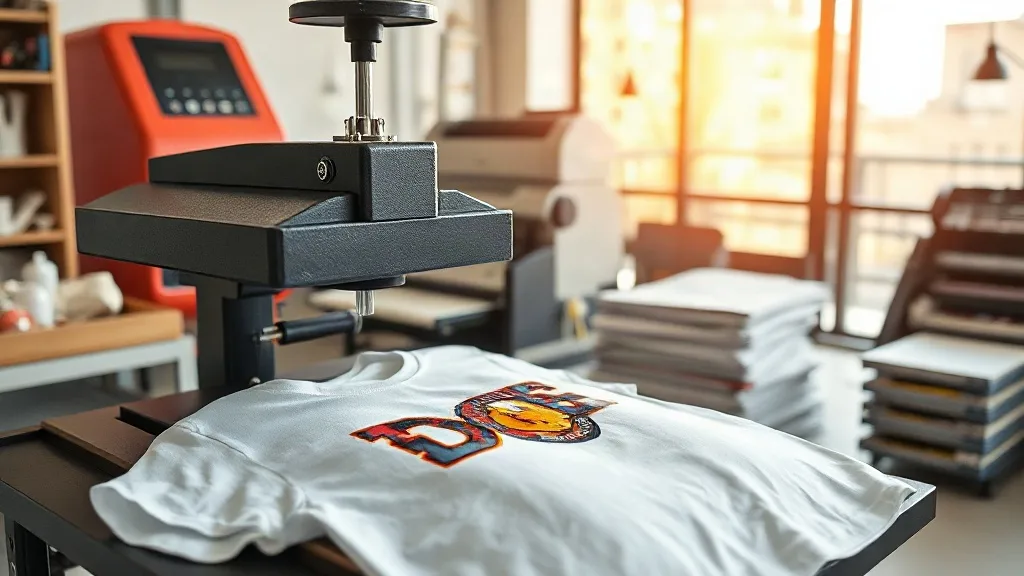
Starting a print-on-demand business often feels like navigating a maze of options: screen printing, vinyl, sublimation, and now dtf transfers. Each method has its fans, but if you're looking for a sweet spot between quality, versatility, and startup cost, DTF (Direct to Film) transfers deserve a closer look. In this guide, we'll explore how to use DTF transfers to build a profitable print-on-demand business, from understanding the costs to pricing your products and scaling up.
Why DTF Transfers Are a Game-Changer for Print-on-Demand
Print-on-demand (POD) has revolutionized the way entrepreneurs sell custom apparel. The traditional model required holding inventory, but POD lets you print only what you sell. Among the various printing methods, dtf transfers stand out for several reasons. First, they work on a wide range of fabrics, including cotton, polyester, blends, and even nylon. Unlike sublimation, which requires light-colored polyester, DTF transfers adhere beautifully to dark and light materials alike. Second, DTF transfers produce vibrant, full-color designs with fine details, making them ideal for complex artwork. Third, the process is relatively simple: you print the design onto a film, apply adhesive powder, and heat-press it onto the garment. This simplicity means you can start production with minimal equipment and space.
Cost Breakdown: What Goes Into a DTF Transfer?
To build a profitable business, you need to understand your costs. DTF transfers involve several components: the film, the ink, the adhesive powder, and the heat press. Let's break it down.
Materials
- Film: DTF film comes in sheets or rolls. A pack of 100 A4 sheets might cost around $20-$30, depending on the brand.
- Ink: DTF inks are pigment-based and come in CMYK plus white. A set of 250ml bottles can cost $50-$100 and will last for many prints.
- Adhesive Powder: This is crucial for bonding. A 500g bag costs about $15-$25 and will cover hundreds of transfers.
- Heat Press: A decent heat press is a must. Expect to invest $200-$500 for a reliable model.
- Printer: You can convert an Epson printer to use DTF inks, or buy a dedicated DTF printer. Conversion kits start around $300, while dedicated printers range from $1,500 to $5,000.
Assuming you already have a printer and heat press, the cost per A4 transfer is roughly $0.50-$1.00, including ink, film, and powder. That's incredibly low, especially when you consider that a single transfer can be used on a t-shirt that sells for $25 or more.
Pricing Strategies for Profit
Now that you know your costs, how do you price your products? The key is to balance competitiveness with profitability. Here are some strategies:
1. Know Your Numbers
Calculate your total cost per item: blank garment + transfer cost + packaging + shipping + platform fees (e.g., Etsy, Shopify). Add a profit margin. A common formula is to multiply your cost by 2.5 to 3. For example, if a t-shirt costs $5 (blank) + $1 (transfer) + $2 (packaging/shipping) = $8, a retail price of $20-$24 gives you a healthy margin.
2. Offer Tiered Pricing
Encourage larger orders by offering discounts. For instance, price a single shirt at $25, but offer a bundle of three for $60. This increases average order value and moves inventory faster.
3. Leverage Niche Markets
Instead of competing in saturated niches like generic quotes, target specific audiences: pet lovers, hobbyists, or local sports teams. They are often willing to pay more for personalized designs. And when they search for dtf transfers near me, you can be the local solution they find.
Scaling Your DTF Print-on-Demand Business
Once you've nailed the basics, it's time to grow. Here's how to scale efficiently.
Automate Where Possible
Use software to automate order processing and design placement. Integrate your online store with your printer to streamline workflow. Consider investing in a larger format DTF printer to produce multiple transfers at once, reducing labor time.
Expand Your Product Range
DTF transfers aren't just for t-shirts. Apply them to hoodies, tote bags, caps, and even shoes. The more products you offer, the more opportunities to upsell.
Build a Brand, Not Just a Store
Create a cohesive brand identity with consistent messaging and design. Use social media to showcase your work and engage with customers. A strong brand allows you to command higher prices and build customer loyalty.
Common Pitfalls to Avoid
Even with a solid plan, mistakes can eat into your profits. Watch out for these:
- Underpricing: Don't forget to factor in all costs, including your time.
- Ignoring quality control: A single bad print can lead to returns and bad reviews. Always test your transfers before fulfilling orders.
- Overinvesting in equipment: Start small and upgrade as demand grows. You don't need a top-of-the-line printer on day one.
Frequently Asked Questions
How much does it cost to start a DTF print-on-demand business?
You can start with as little as $500 if you already have a computer and heat press. A basic DTF printer conversion kit and supplies will get you going. Dedicated DTF printers cost more but offer higher production speed.
Can I use DTF transfers on dark and light fabrics?
Yes, DTF transfers work on both dark and light fabrics, including cotton, polyester, and blends. The white ink layer in DTF printing ensures vibrant colors on dark materials.
How do I find local customers for DTF transfers?
Market your services to local sports teams, schools, small businesses, and community groups. Attend local events and use social media targeting to reach people in your area. When they search for dtf transfers near me, your business should appear.
What is the profit margin for DTF print-on-demand?
Profit margins vary based on pricing and costs, but many businesses achieve 40-60% margins. By keeping material costs low and pricing strategically, you can maximize profitability.
Building a profitable print-on-demand business with DTF transfers is within reach. With low startup costs, versatile applications, and high-quality results, DTF transfers offer a competitive edge. Focus on understanding your costs, pricing wisely, and scaling strategically, and you'll be well on your way to success.