
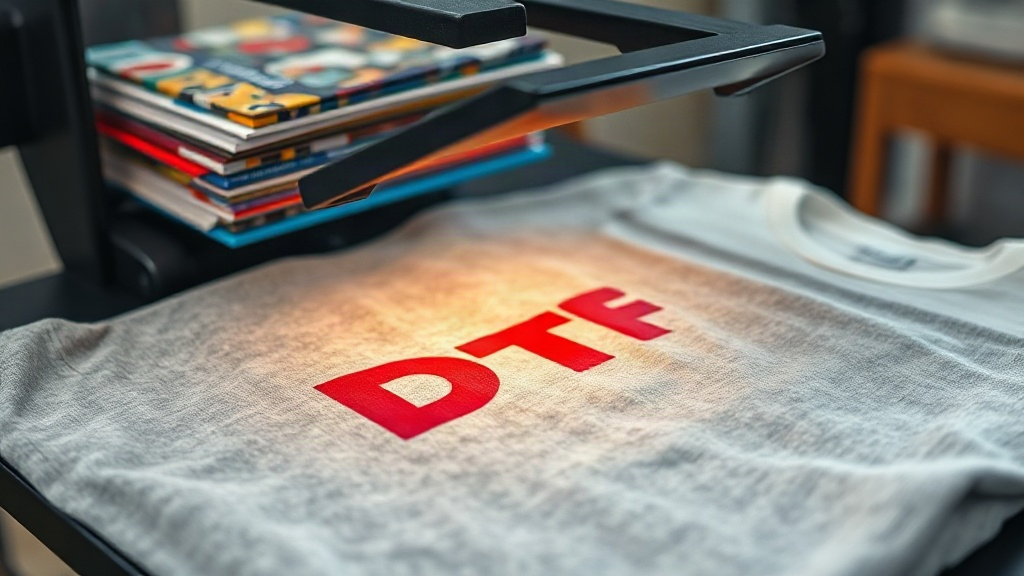
Imagine pressing a custom design onto a shirt and watching it come to life with vivid colors and a soft feel. That's the magic of DTF transfers, a digital printing method that's taking the custom apparel world by storm. Whether you're a small business owner, a crafting enthusiast, or just someone who loves personalized gear, DTF transfers offer incredible versatility. In this guide, we'll dive deep into how DTF transfers work, why Shaka Wear and Smart Blanks are ideal canvases, and how you can achieve professional results at home or in your shop. Let's get started.
What Are DTF Transfers and Why Are They a Game-Changer?
DTF stands for Direct to Film. It's a printing technology where your design is printed onto a special film, coated with a adhesive powder, and then heat-pressed onto fabric. Unlike DTG (Direct to Garment) or screen printing, DTF transfers don't require pre-treatment or specialized inks for different fabrics. They adhere beautifully to cotton, polyester, blends, and even nylon. The result? A stretchable, crack-resistant print that feels soft to the touch. For anyone tired of vinyl peeling or screen prints fading, DTF is a breath of fresh air.
One of the biggest advantages is the ability to print full-color, photographic designs without worrying about color limitations. The process uses CMYK plus white ink, so you can achieve vibrant gradients and fine details. Plus, DTF transfers are incredibly durable. When applied correctly, they can outlast the garment itself. That's why brands like Shaka Wear and Smart Blanks have become popular choices for DTF enthusiasts. These blanks are known for their quality and consistency, making them perfect for showcasing intricate designs.
Why Shaka Wear and Smart Blanks Are Perfect for DTF Transfers
Not all blanks are created equal. The fabric composition, weave, and finish can dramatically affect how a DTF transfer adheres and feels. Shaka Wear is renowned for its heavyweight cotton tees, often 6.0 oz or more, with a tight knit that provides a smooth surface for printing. Their shirts are pre-shrunk and hold their shape, which means your DTF transfer won't distort after washing. I've personally used Shaka Wear for several projects, and the prints come out looking like they were screen-printed by a pro.
Smart Blanks, on the other hand, offer a wide range of styles from tanks to hoodies, all with a consistent quality that DTF printers love. Their fabrics are typically 100% cotton or cotton-poly blends, which are ideal for DTF because the adhesive powder bonds well with natural fibers. I've found that Smart Blanks' tees have a slightly softer hand than some competitors, which complements the thin, flexible DTF film. When you combine these blanks with DTF transfers, you get a match made in heaven.
Key Features of Shaka Wear for DTF
- Heavyweight cotton (5.5 oz to 7.0 oz) for a premium feel.
- Tight weave reduces texture, allowing fine details to shine.
- Pre-shrunk to minimize movement during pressing.
- Wide color selection, including classic and trendy shades.
Why Smart Blanks Excel with DTF
- Variety of styles: tees, tanks, hoodies, and more.
- Soft ring-spun cotton for a comfortable wear.
- Consistent sizing and quality control.
- Affordable pricing for bulk orders.
Step-by-Step: Applying DTF Transfers to Shaka Wear and Smart Blanks
Getting a flawless DTF transfer isn't rocket science, but it does require attention to detail. Here's a foolproof method that I've refined over dozens of presses.
1. Prepare Your Workspace and Materials
You'll need a heat press (or a home iron with no steam), your DTF transfer, the garment (Shaka Wear or Smart Blanks), and a lint roller. Preheat your press to 325°F (160°C) for cotton, or 300°F (150°C) for blends. While it heats, lint-roll the garment to remove any debris. Any speck of dust can cause the transfer to lift.
2. Position and Pre-Press
Place the garment on the press and give it a quick 5-second pre-press. This removes moisture and wrinkles. Then, lay the DTF transfer on top with the printed side facing up. If you're using a transfer with a white ink base, make sure the white side is against the fabric.
3. Press with Medium Pressure
Cover the transfer with a Teflon sheet or parchment paper. Press for 15-20 seconds with medium pressure. For Shaka Wear's heavyweight tees, I go 20 seconds to ensure full adhesion. For Smart Blanks' lighter fabrics, 15 seconds is usually enough.
4. Peel and Post-Press
Let the transfer cool for a few seconds, then peel the film off in a smooth, steady motion. If you see any lifting, press again for 5 seconds. Finally, cover with parchment and press for another 5 seconds to set the ink. This step is crucial for wash durability.
Common Pitfalls and How to Avoid Them
Even seasoned pros run into issues. Here are the most common problems and their fixes:
- Transfer peeling after wash: Usually caused by insufficient pressure or time. Increase pressure and add 5 seconds.
- Design looks dull: You might be pressing at too high a temperature, scorching the ink. Lower to 300°F and check.
- Sticky residue on film: This means the transfer was too hot when peeled. Wait 10 seconds before peeling.
- Color bleeding: Use a lower temperature and ensure the garment is pre-pressed to remove moisture.
I learned these lessons the hard way, so you don't have to. Always test on a scrap piece of fabric first, especially with new blanks.
DTF Transfers vs. Other Printing Methods: A Quick Comparison
How does DTF stack up against screen printing, DTG, and vinyl? Let's break it down.
- Screen Printing: Great for bulk orders with few colors, but expensive for small runs and can't handle complex gradients.
- DTG: Best for 100% cotton and small batches, but requires pre-treatment and can fade over time.
- Vinyl: Ideal for simple one-color designs, but not for detailed images and can peel.
- DTF: Works on almost any fabric, no pre-treatment, vibrant colors, and durable. The only downside? You need a heat press and a DTF printer.
For custom apparel businesses, DTF offers the best balance of quality, versatility, and cost. That's why it's become my go-to for client orders on Shaka Wear and Smart Blanks.
Pro Tips for Stunning DTF Results on Shaka Wear and Smart Blanks
Want to elevate your DTF game? Try these expert tips:
- Use a heat press with accurate temperature control. Irons are okay in a pinch, but a press ensures even pressure.
- Store DTF transfers properly. Keep them in a cool, dry place away from direct sunlight to prevent the powder from clumping.
- Experiment with fabric blends. Smart Blanks' tri-blends can give a vintage look, while Shaka Wear's 100% cotton offers a classic feel.
- Wash inside out in cold water. This preserves the print and the garment.
- Consider a matte or glossy finish. Some DTF films come in different finishes; choose based on your design.
I've found that Shaka Wear's heavyweight tees are perfect for bold, large designs, while Smart Blanks' lighter shirts work well for all-over prints. Mix and match to find your sweet spot.
Frequently Asked Questions About DTF Transfers
Can I use DTF transfers on 100% polyester Shaka Wear shirts?
Yes, but you need to adjust your temperature. Polyester is heat-sensitive, so press at 280°F (140°C) for 10-15 seconds with light pressure. Too much heat can melt the fabric or cause the transfer to look glossy. Always test first.
How durable are DTF transfers on Smart Blanks after multiple washes?
When applied correctly, DTF transfers on Smart Blanks can last 50+ washes without cracking or fading. The key is proper post-pressing and washing inside out in cold water. Avoid bleach and tumble dry on low.
Do I need a special printer for DTF transfers?
You can buy pre-printed DTF transfers from suppliers, or invest in a DTF printer. For beginners, purchasing transfers is cost-effective. If you're doing high volume, a dedicated DTF printer with pigment inks and a shaker machine is worth it.
What's the best way to store unused DTF transfers?
Keep them in a sealed bag or container in a cool, dry place. Exposure to humidity can cause the adhesive powder to absorb moisture, leading to poor adhesion. I store mine in a plastic bin with silica gel packets.
Can I layer DTF transfers for a multi-color effect?
Absolutely. DTF transfers can be layered, but you need to press each layer separately. Press the first layer for 10 seconds, peel, then add the next layer. This technique works great for adding names or numbers on jerseys.
With these insights, you're ready to create stunning custom apparel using DTF transfers on Shaka Wear and Smart Blanks. The combination of advanced printing technology and high-quality blanks opens up endless possibilities. So fire up your heat press and let your creativity run wild.