
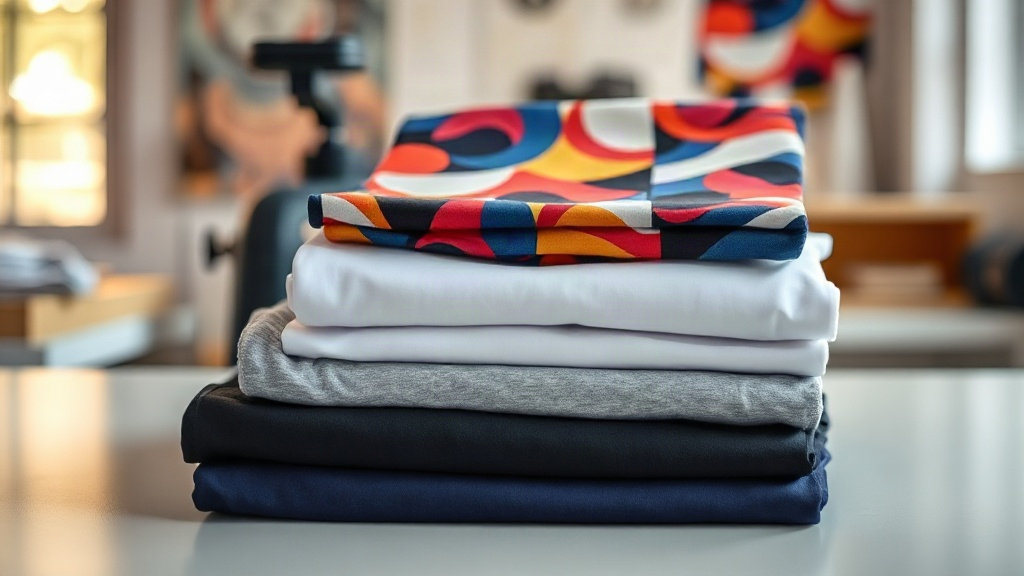
If you have ever pressed a DTF transfer onto a blank only to watch it crack after a few washes, you know that the blank itself can make or break the final product. Two names that frequently come up in pressing circles are smart blanks and shaka wear. Both have loyal followings, but they serve different needs. This article cuts through the noise and gives you a practical comparison based on real pressing experience, so you can pick the right blank for your next run of dtf transfers.
Why the Blank Matters for DTF Transfers
DTF transfers are versatile, but they are not magic. The adhesive powder that bonds the print to the fabric needs a smooth, consistent surface to latch onto. A blank with too much texture, loose weave, or heavy sizing can cause the transfer to sit on top of the fabric instead of integrating with it. The result? A print that feels like a plastic patch and peels at the edges.
Both smart blanks and shaka wear produce garments that work with DTF, but they approach fabric construction differently. Understanding those differences helps you avoid costly mistakes.
Smart Blanks: The Workhorse for DTF
Smart blanks have gained a reputation among pressers for their consistent quality and reasonable price point. The brand focuses on providing a reliable canvas for decoration, and their tees often feature a tight, smooth knit that DTF transfers love.
Fabric and Construction
Most smart blanks tees are made from 100% cotton or a cotton-poly blend. The cotton versions tend to have a soft, ringspun feel that takes a DTF transfer beautifully. The surface is usually sanded or treated to minimize fuzz, which means the transfer can adhere evenly without needing extreme pressure.
One thing I have noticed after pressing dozens of these: the fabric does not shrink dramatically if you pre-press before applying the transfer. That step is non-negotiable with any blank, but smart blanks hold their shape well after washing, which keeps the print from distorting.
Print Performance with DTF
When you press a DTF transfer onto a smart blanks tee, the colors pop. The smooth surface allows for fine detail reproduction, so small text and intricate designs come out crisp. The adhesive bonds thoroughly, and with proper washing (inside out, cold water), the print survives for many cycles.
However, not all smart blanks are identical. Some heavier-weight options have a slightly rougher hand, and if you are using a low-quality DTF transfer, you might see minor adhesion issues. But with a reputable transfer supplier, the combination is solid.
Shaka Wear: Heavyweight and Streetwear-Ready
Shaka wear takes a different approach. This brand is known for heavyweight, boxy tees that cater to streetwear and skate cultures. The fabric is thicker, often 6.5 oz or more, and the fit is intentionally loose.
Fabric and Construction
Shaka wear tees are typically 100% cotton, but the cotton is carded open-end, which gives the fabric a slightly rougher, more textured surface compared to ringspun. That texture can be a blessing or a curse for DTF transfers.
On one hand, the heavier weight means the shirt can handle larger, denser prints without sagging. On the other hand, the rougher surface can make it trickier to get a perfectly smooth transfer. You may need to increase pressure and dwell time to push the adhesive into the fabric valleys.
Print Performance with DTF
I have pressed DTF transfers onto shaka wear tees and found that they work well for bold, graphic designs with large blocks of color. The texture actually adds a nice vintage feel to the print, especially after a few washes. But for fine lines and small text, the texture can cause slight imperfections. It is not a dealbreaker, but it is something to be aware of.
Another consideration: shaka wear tees are often pre-shrunk, but they can still shrink a bit more. Always pre-press before applying the transfer to minimize movement.
Head-to-Head Comparison
Let us break down the key factors:
- Fabric smoothness: Smart blanks generally win for DTF because of their smoother surface, which allows for more consistent adhesion and finer detail.
- Durability: Both brands hold up well if washed properly, but the heavier shaka wear fabric may outlast lighter smart blanks in high-wear situations.
- Price: Smart blanks are often more budget-friendly, making them ideal for large orders or testing new designs. Shaka wear commands a slightly higher price due to its heavyweight construction.
- Fit and style: Shaka wear offers a trendy, boxy fit that appeals to streetwear brands. Smart blanks tend to have a more classic, retail fit.
- DTF compatibility: Both work, but smart blanks require less fiddling to get a perfect press. Shaka wear may need adjusted settings for optimal results.
Tips for Pressing DTF Transfers on Either Blank
Regardless of which blank you choose, these practices will improve your results:
- Pre-press the garment: This removes moisture and wrinkles, and it also pre-shrinks the fabric. A 5-10 second press at 320°F (160°C) is usually enough.
- Use consistent pressure: Medium to firm pressure is key. Too little pressure and the transfer will not bond; too much and you risk flattening the fabric or causing the adhesive to bleed.
- Mind the temperature: DTF transfers typically require 320-340°F (160-170°C). Check your transfer supplier's recommendations, as some films are more sensitive.
- Peel correctly: Most DTF transfers are cold peel, meaning you wait until the transfer is completely cool before peeling the film. This prevents the print from stretching or tearing.
- Post-press for durability: After peeling, give it another 10-15 seconds with a cover sheet (like parchment paper) to fully set the adhesive.
- Wash inside out: Always wash inside out in cold water and tumble dry low or hang dry. This extends the life of any DTF print.
Which Blank Should You Choose?
The answer depends on your target market and design style. If you are producing a wide range of designs, especially those with fine details, and you want a reliable, cost-effective blank, smart blanks are a fantastic choice. They are forgiving and produce consistent results.
If your brand leans towards streetwear, and you want a heavyweight, trendy tee that can carry bold graphics, shaka wear is worth the extra effort. Just be prepared to dial in your press settings and possibly do a test run.
Many pressers keep both on hand, using smart blanks for everyday orders and shaka wear for premium or specialty items. That flexibility lets you serve different customers without compromising on quality.
Frequently Asked Questions
Can I use DTF transfers on 100% cotton Shaka Wear tees?
Yes, DTF transfers work well on 100% cotton, including shaka wear. The key is to pre-press the shirt to remove moisture and wrinkles, and use sufficient pressure to push the adhesive into the fabric. The heavier texture may require slightly higher pressure than smoother blanks.
Do Smart Blanks shrink after washing?
Smart blanks typically have minimal shrinkage if you pre-press before applying the transfer. Pre-pressing also helps the transfer adhere better. Always follow the care instructions, and wash in cold water to minimize shrinking.
Which blank is better for large DTF prints?
For large prints, shaka wear is often preferred because its heavier weight prevents the shirt from sagging or stretching under the print. However, smart blanks can also handle large prints if the design is not too dense. Just ensure even pressure across the entire transfer.
How do I prevent DTF transfers from cracking on these blanks?
Cracking usually happens due to improper pressing or washing. Make sure you use the correct temperature, pressure, and dwell time. Always cold peel, and post-press with a cover sheet. Wash the garment inside out in cold water and avoid fabric softeners, which can degrade the adhesive.
Are Smart Blanks and Shaka Wear available in similar colors?
Both brands offer a range of colors, but shaka wear tends to focus on earthy and streetwear-oriented tones, while smart blanks may have a broader selection of classic colors. Check with your supplier for current availability.