
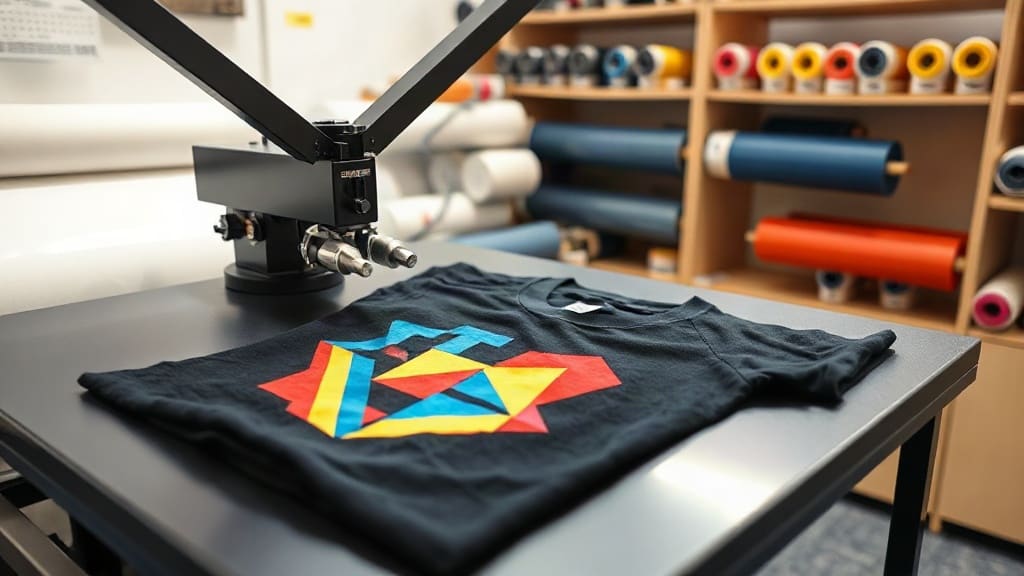
If you're in the apparel customization world, you've likely heard about dtf (Direct to Film) printing. It's a game-changer for creating vibrant, durable transfers that can be applied to a wide range of fabrics. But when you're ready to order, the search for dtf transfers near me can be overwhelming. You want quality, fast turnaround, and fair prices, but how do you find a provider you can trust? In this guide, I'll walk you through everything you need to know about sourcing dtf transfers locally, from what to look for in a supplier to how to ensure your prints come out perfect every time.
Why DTF Transfers Are So Popular
Direct to Film printing involves printing your design onto a special PET film, applying adhesive powder, and then curing it. The result is a transfer that can be pressed onto garments using a heat press. Unlike traditional screen printing, DTF allows for high-detail, full-color prints without the need for screens or setup fees. It's ideal for small runs, custom orders, and even on-demand production.
One of the biggest advantages of dtf transfers is their versatility. They work on cotton, polyester, blends, and even harder surfaces like tote bags or caps. The prints are stretchy and durable, making them perfect for activewear or everyday tees. Plus, the colors pop, and the fine details stay sharp.
What to Look for in a DTF Provider
When you search for dtf transfers near me, you'll likely find a mix of online shops, local print shops, and hobbyists. Not all are created equal, so here are the key factors to consider:
1. Print Quality and Resolution
Ask to see samples of their previous work. Look at the sharpness of the edges, the vibrancy of the colors, and how well the white underbase is applied. A good provider will have a high-resolution printer (at least 1200 dpi) and use quality inks. If they hesitate to show samples, that's a red flag.
2. Materials Used
The quality of the PET film and adhesive powder matters. Cheap materials can lead to cracking, peeling, or a stiff hand feel. Reputable providers will use materials from established brands. Don't be afraid to ask what they use; a knowledgeable supplier will gladly explain.
3. Turnaround Time
If you're running a business, timely delivery is crucial. Inquire about their standard turnaround and whether they offer rush options. Local providers might have an advantage here because shipping is faster or you can pick up in person.
4. Pricing and Minimums
Compare prices, but don't just go for the cheapest option. Extremely low prices often mean inferior quality. Look for transparent pricing and reasonable minimums. Some providers offer sample packs at a low cost, which is a great way to test their quality before committing to a large order.
5. Customer Support
How responsive are they? Do they answer your questions clearly? A good provider will help you with file setup, offer design tips, and be available if issues arise. Good communication is a sign of a reliable business.
How to Find Local DTF Transfer Services
Now, let's get to the practical part: actually finding dtf transfers near me. Here are several strategies:
- Google Search and Maps: Start with a simple search. Look at the map results and read reviews. Pay attention to photos from real customers to gauge the quality.
- Social Media: Many small print shops advertise on Instagram and Facebook. Search hashtags like #dtfprinting or #dtftransfers, and you'll find local artists. Their posts often showcase their work in action.
- Local Business Directories: Check Yelp or Yellow Pages. Filter by "custom printing" or "apparel decoration" and look for those that mention DTF specifically.
- Ask Around: If you're in a local business community (like a chamber of commerce or a Facebook group for entrepreneurs), ask for recommendations. Word of mouth is powerful.
- Trade Shows and Expos: If there's a printing expo in your area, that's a goldmine. You can see live demos and talk to suppliers directly.
When you have a list of candidates, do a test order. Order a few small transfers from each and compare the results. This will give you a hands-on feel for their product and service.
Preparing Your Files for DTF Transfers
Once you've chosen a provider, you need to get your artwork ready. Here are some tips to ensure the best outcome:
Use High-Resolution Images
Your design should be at least 300 DPI at the size you want to print. If you're working with vector files (like SVG or AI), that's even better because they scale without losing quality.
Understand Color Modes
For DTF printing, you'll typically need your files in CMYK or RGB. Most printers now use water-based inks that can handle both, but it's best to ask your provider what they prefer. Keep in mind that colors on screen might not match exactly due to differences in monitors and printers.
Consider the White Underbase
DTF prints have a white layer underneath the colors to make them pop on dark fabrics. If your design has an outline or is meant to blend with the shirt color, you might want to remove that underbase. Your provider can advise you on this.
Include a Cut Line
If you have a shape with a transparent background, you'll need to specify a cut line (a path that tells the printer where to trim the film). This ensures that the transfer is cut correctly and reduces waste.
Applying DTF Transfers: Best Practices
Even with a high-quality transfer, the application process is critical. Here's how to get the best results:
Use a Heat Press, Not an Iron
A heat press provides even pressure and temperature, which is essential. Irons don't have a consistent heat distribution, and you might end up with uneven adhesion.
Temperature and Time
Typically, you'll press at around 320°F (160°C) for 15-20 seconds with medium to firm pressure. But always follow the specific instructions from your transfer provider, as different films and powders may have varying requirements.
Pre-Press the Garment
Before applying the transfer, pre-press the shirt for 2-3 seconds to remove moisture and wrinkles. This helps the transfer adhere better.
Cold Peel vs. Hot Peel
Some DTF films are hot peel (you remove the film right after pressing), others are cold peel (you wait until it cools). Check the instructions. Cold peel often gives a better matte finish and prevents smudging.
Press Again After Peeling
For extra durability, some people recommend covering the print with a Teflon sheet and pressing for a few more seconds after peeling. This can help the adhesive fully cure.
Cost Considerations and ROI
Investing in dtf transfers can be cost-effective, especially for small batches. But it's important to understand the pricing structure. Typically, you'll pay per square foot or per transfer. Larger quantities usually come with discounts. Compare the cost per shirt to other methods like screen printing or heat transfer vinyl. For short runs, DTF often wins because there are no setup fees.
If you're a business owner, consider the potential return. You can offer custom designs without holding inventory, which reduces risk. And because the turnaround is fast, you can fulfill orders quickly, keeping customers happy.
Common Mistakes to Avoid
Here are some pitfalls I've seen people encounter, and how to steer clear:
- Not Testing First: Don't order a bulk amount from a new provider without testing a few samples. It's worth the small cost to avoid a big disappointment.
- Ignoring Care Instructions: DTF prints can last a long time if cared for properly. Make sure your provider gives you care instructions (typically wash inside out in cold water and avoid bleach).
- Skipping the White Underbase on Dark Shirts: Some designs might look okay without it, but on dark colors, the white layer is essential for the colors to show up vividly.
- Not Checking Resolution: If your logo is a low-res image from the internet, it will look pixelated. Always use vector files or high-res JPEGs.
FAQs about DTF Transfers Near Me
How much do DTF transfers cost?
Pricing varies widely depending on the provider, the size of the transfer, and the quantity. On average, you might pay anywhere from $1 to $5 per transfer for common sizes. Large orders often get discounted rates, and some shops offer tiered pricing based on the number of prints.
Can I use DTF transfers on any fabric?
DTF works well on most fabrics, including cotton, polyester, blends, and even some performance fabrics. However, it may not adhere well to very textured materials like heavy fleece or waterproof fabrics. It's best to test on a small piece of your fabric first.
How durable are DTF transfers?
When applied correctly, DTF transfers can withstand many washes. They are flexible and don't crack easily. To extend their life, wash garments inside out in cold water and avoid using fabric softeners or bleach.
Do DTF transfers have a vinyl-like feel?
Compared to traditional vinyl, DTF prints have a softer, more matte feel. They are less plasticky and more like a screen print. The texture depends on the adhesive powder used, but generally, it's comfortable to wear.
What's the difference between DTF and sublimation?
Sublimation works best on polyester and requires white or light-colored fabrics, as the dye infuses into the fabric. DTF can be applied to dark colors and a wider range of materials because it uses a white underbase. DTF is also more versatile for cotton.
Making Your Choice
When you're ready to order dtf transfers, take your time. Research local providers, ask questions, and start with a small test order. Once you find a reliable source, you'll have a valuable partner for your custom apparel needs. Whether you're a hobbyist or a growing business, DTF opens up a world of possibilities. So go ahead, find that local shop, and get your designs printed with confidence.
Remember, the best dtf transfers near me are not just about proximity; they're about quality, service, and results. By following the tips in this guide, you'll be well on your way to creating stunning, durable prints that your customers will love.