
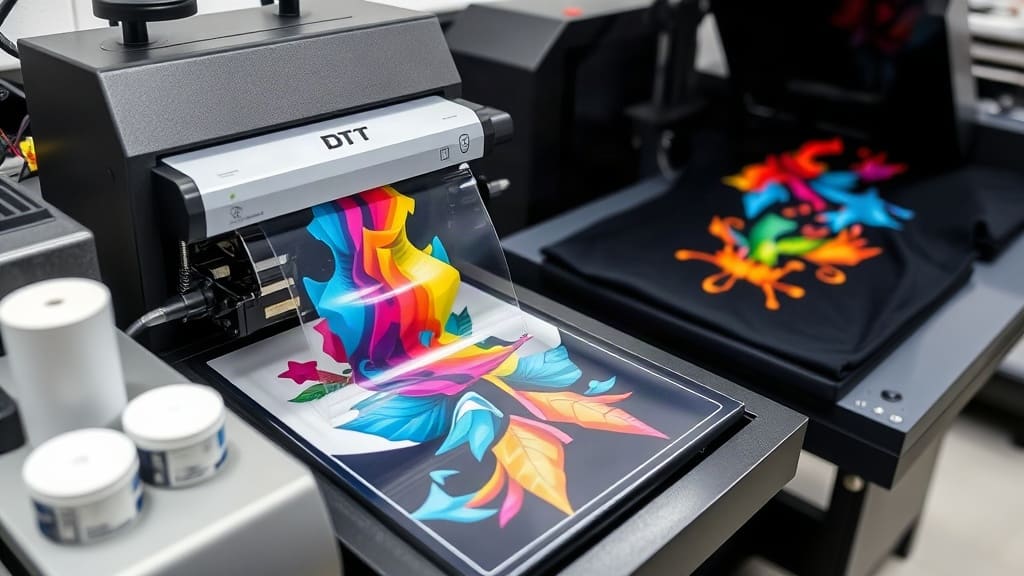
If you are in the custom apparel business, you have likely heard about DTF transfers taking the industry by storm. This innovative printing method has revolutionized how we create custom t-shirts, hoodies, and more. Unlike traditional screen printing or heat transfer vinyl, DTF offers incredible versatility and vibrant results. In this comprehensive guide, we will explore what DTF transfers are, how they work, their advantages, and how you can start using them to elevate your printing game.
What Are DTF Transfers?
DTF stands for Direct to Film. It is a printing process where a design is printed onto a special PET film using a DTF printer and specialized inks. Once printed, the film is coated with a hot-melt adhesive powder, dried, and then heat-pressed onto a garment. The result is a highly durable, stretchable, and vibrant print that can be applied to a wide range of fabrics, including cotton, polyester, blends, and even nylon.
How Does DTF Printing Work?
The DTF process involves several key steps. First, you need a DTF printer, which is typically an Epson or other inkjet printer modified to use DTF inks (CMYK plus white). The design is printed in reverse onto the film, with a white underbase layer for colors to pop on dark fabrics. After printing, a powder adhesive is applied while the ink is still wet. The film is then dried, melted (cured) in a heat press or oven, and finally transferred onto the garment using a heat press at a specific temperature and pressure.
- Printing: The design is printed onto the film using DTF inks.
- Powdering: Hot-melt adhesive powder is applied to the wet ink.
- Drying: The film is dried to set the powder.
- Curing: The powder is melted to create a strong bond.
- Transfer: The film is placed on the garment and heat-pressed.
Advantages of DTF Transfers
DTF transfers offer numerous benefits over other printing methods, making them a favorite among small businesses and large-scale producers alike.
Versatility in Fabric Types
Unlike some methods that only work on cotton, DTF can be applied to almost any fabric. Whether you are printing on polyester sportswear, cotton t-shirts, or blended fabrics, DTF delivers excellent results. This versatility opens up new opportunities for product lines.
Vibrant and Detailed Prints
DTF printing produces high-resolution images with sharp details and vibrant colors. The white underbase ensures that colors remain bold and accurate, even on dark garments. This makes it ideal for complex designs with gradients, photographs, and fine text.
Durability and Stretchability
DTF prints are known for their durability. They can withstand multiple washes without cracking or fading, and they stretch with the fabric, making them perfect for activewear. This durability ensures customer satisfaction and repeat business.
Cost-Effective for Small Runs
Unlike screen printing, which requires expensive setup for each design, DTF transfers have minimal setup costs. You can print a single item or a small batch without breaking the bank. This makes it easier to offer a wide variety of designs and test new products.
DTF Transfers vs. Other Printing Methods
To truly appreciate DTF transfers, it is helpful to compare them with other popular methods like screen printing, heat transfer vinyl (HTV), and sublimation.
DTF vs. Screen Printing
Screen printing is great for large bulk orders, but it requires significant setup and is impractical for small quantities or complex designs. DTF offers a more flexible and cost-effective solution for short runs, with comparable durability and better color reproduction in many cases.
DTF vs. HTV
HTV is limited to solid colors and simple designs. DTF allows for full-color prints with gradients and details, and it has a softer feel on the fabric. DTF also adheres better to a wider range of fabrics, including those with moisture-wicking properties.
DTF vs. Sublimation
Sublimation works only on polyester fabrics and results in a permanent dye that becomes part of the fabric. DTF, on the other hand, can print on both light and dark fabrics, including cotton, and offers a broader palette of colors. DTF is also more versatile for small orders.
How to Use DTF Transfers: A Step-by-Step Guide
If you are ready to start using DTF transfers, here is a simple guide to get you started.
Step 1: Choose Your DTF Equipment
You will need a DTF printer, which can be a converted Epson printer or a purpose-built DTF printer. Additionally, you need a heat press, DTF film, DTF inks, and adhesive powder. Research reputable suppliers to ensure quality materials.
Step 2: Prepare Your Design
Create your design using graphic design software. Make sure to mirror the image horizontally before printing, because the design will be transferred onto the garment. It is also important to include a white underbase for colors to appear correctly.
Step 3: Print and Powder
Load the film into the printer and print your design. Immediately after printing, apply the adhesive powder evenly over the printed area, ensuring full coverage. Shake off excess powder and let the film dry completely.
Step 4: Cure the Film
Place the film in a heat press or oven at the recommended temperature (usually around 160°C) for a specific time to melt the powder. This creates a strong adhesive layer.
Step 5: Press onto Garment
Preheat your garment to remove moisture. Place the cured film onto the garment with the printed side down, and press using your heat press at the recommended temperature and pressure for about 15 seconds. Peel the film while it is hot or cold, depending on the film instructions.
Tips for Getting the Best Results with DTF Transfers
To achieve professional-looking prints, keep these tips in mind.
- Use High-Quality Materials: Invest in genuine DTF inks and film from reputable brands to ensure color accuracy and durability.
- Calibrate Your Printer: Regularly calibrate your printer to maintain consistent color output and prevent banding.
- Test on Different Fabrics: Each fabric may require slight adjustments in temperature and pressure. Run tests before full production.
- Proper Curing: Ensure the adhesive powder is fully cured to prevent peeling. Follow the manufacturer's guidelines for temperature and time.
- Handle with Care: After printing, avoid touching the printed surface to prevent contamination.
Common Mistakes to Avoid
Even experienced printers can make mistakes. Here are common pitfalls when using DTF transfers.
Incorrect Mirroring
Forgetting to mirror your design results in a reversed image on the final product. Always double-check before printing.
Insufficient Adhesive Powder
If you apply too little powder, the print may not adhere properly to the garment. Ensure even and generous coverage, especially for large solid areas.
Wrong Heat Press Settings
Using the wrong temperature or pressure can lead to poor adhesion or scorching. Follow the recommended settings for your specific film and garment.
Skipping the Test Print
Always do a test print on a scrap fabric to fine-tune your settings before producing the final order.
Frequently Asked Questions
Can DTF transfers be used on dark fabrics?
Yes, DTF transfers are perfect for dark fabrics because the white underbase ensures that the colors remain vibrant and opaque. Unlike sublimation, which fails on dark materials, DTF shines.
How many washes can a DTF transfer withstand?
DTF transfers are highly durable and can withstand 40 to 60 washes or more without significant fading or cracking, provided they are applied correctly and the garment is washed inside out in cold water.
What is the difference between DTF and DTG printing?
DTG (Direct to Garment) prints directly onto the fabric using an inkjet printer, while DTF prints onto a film that is then transferred. DTF is often more cost-effective for small orders and offers greater flexibility on fabric types.
Do I need a special heat press for DTF?
No, you can use a standard heat press. However, you need a heat press that can reach the required temperature (around 160°C) and provide even pressure.
Can I use DTF transfers on non-textile items?
While DTF is primarily designed for fabrics, it can also be applied to other surfaces like wood, ceramics, and some plastics, as long as they can withstand the heat press temperature.
Conclusion
In summary, DTF transfers are a game-changer in the custom apparel industry. They offer unmatched versatility, vibrant colors, and durability at a cost-effective price point, especially for small to medium runs. Whether you are a hobbyist or a professional, mastering DTF printing can significantly expand your product offerings and improve your workflow. If you are ready to take your printing to the next level, consider investing in DTF technology today.