
If you're in the custom apparel business or just love creating personalized shirts, you've probably searched for dtf transfers near me at some point. DTF (Direct to Film) printing has become a game-changer, offering vibrant, durable prints without the need for expensive equipment. But not all transfer providers are created equal. In this guide, I'll walk you through what to look for, common pitfalls, and how to choose the best option for your needs.
What Are DTF Transfers and Why Are They So Popular?
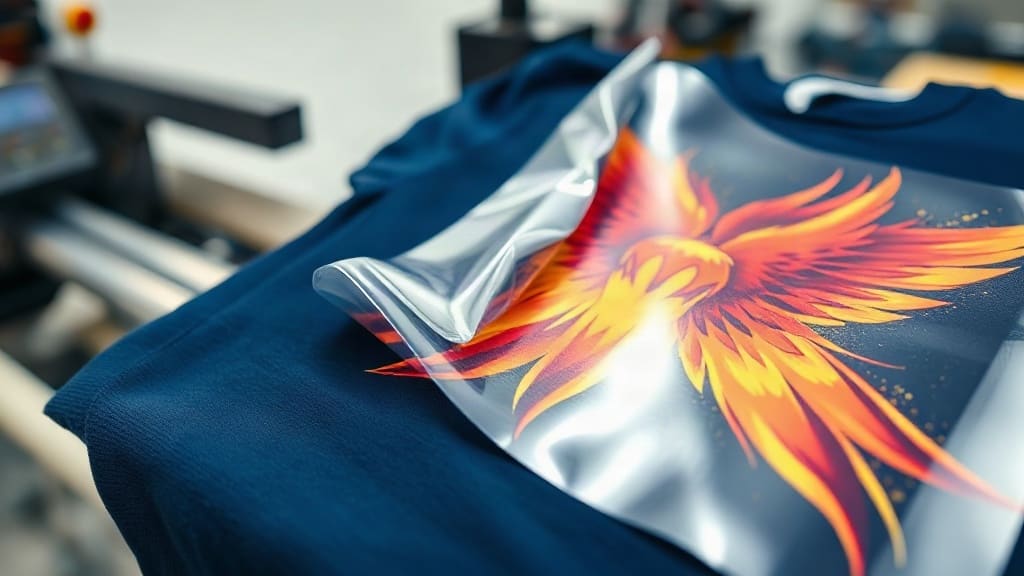
DTF transfers are printed designs on a special film that you can press onto fabric using a heat press. Unlike screen printing, they don't require screens or setup, making them perfect for small batches and detailed artwork. The popularity has skyrocketed because you can achieve photorealistic colors and it works on various materials like cotton, polyester, blends, and even nylon. Plus, the stretchability and washability are impressive when done right.
As someone who has experimented with many printing methods, I can tell you that DTF offers an unbeatable combination of ease and quality. But the key lies in finding a reliable supplier.
The Hidden Costs of Choosing the Cheapest Option
When you search for dtf transfers near me, you'll likely see a range of prices. It's tempting to go with the lowest quote, but that often leads to disappointment. Cheap transfers might have poor adhesion, dull colors, or crack after a few washes. I've seen hobbyists waste money on low-quality films that ruined their projects. Always ask for samples before committing to a bulk order. A reputable shop will gladly provide a sample for a small fee or even free.
Another hidden cost is turnaround time. Some local shops might take days, while online services can ship quickly. If you need something urgently, a local provider might be worth the extra cost. But if you plan ahead, online options often offer better pricing and a wider range of designs.
Where to Look for DTF Transfers in Your Area
Start by searching on Google Maps for print shops or custom apparel businesses. Often, they offer DTF services even if they don't advertise it prominently. You can also check local Facebook groups for crafters and small business owners. They can give honest reviews and recommendations.
Another excellent resource is trade shows or local crafting events. There, you can see the quality firsthand and talk to suppliers. Also, don't overlook online directories like Yelp or Yellow Pages. When you find a potential provider, look for their portfolio and customer reviews.
Remember, the term dtf transfers near me might not yield the best results if you live in a small town. Expanding your search to nearby cities can open up more options. And with the rise of e-commerce, you can order from anywhere and have them shipped to your door.
Key Factors to Evaluate When Choosing a Provider
Print Quality and Resolution
High-resolution printing is non-negotiable. Ask for a close-up of their print samples. Look for crisp edges, vivid colors, and no banding. A good DTF printer uses CMYK plus white ink, which allows for vibrant colors on dark fabrics. Ensure they use high-quality inks and films that are compatible with your fabric type.
Adhesive and Powder Quality
The adhesive powder is what makes the transfer stick to the fabric. Poor quality powder can result in a stiff feel or peeling. Ideally, the transfer should feel soft and stretchy after pressing. You can test this by pressing a sample and washing it a few times.
Turnaround Time and Communication
How fast do they respond to inquiries? Do they provide proof before printing? Clear communication is vital, especially for custom orders. Also, ask about their production time. Some shops offer same-day service, while others may take a week. If you're on a deadline, factor this in.
Minimum Order Quantities (MOQs)
Many local shops have a minimum order requirement, which can be a hurdle if you need just one or two transfers. Online services like DTF Mode often have no MOQ, allowing you to order exactly what you need. This flexibility is a huge advantage for small businesses and individuals.
Comparing Local Shops vs. Online DTF Transfer Services
Both options have pros and cons. Local shops offer the benefit of face-to-face interaction and immediate pickup. You can physically inspect samples and build a relationship. However, they might have higher prices due to overhead costs or limited design capabilities.
Online services, on the other hand, often provide a broader range of customization, competitive pricing, and the convenience of ordering from home. The downside is shipping time and the inability to see the product before payment. But with reliable reviews and sample options, you can mitigate these risks.
When I started my own apparel line, I initially relied on a local printer, but their MOQ was too high for my early stage. Switching to an online provider like DTF Mode allowed me to test designs without breaking the bank. Their quality was on par with local shops, and the shipping was surprisingly fast.
How to Test a DTF Transfer Provider Without Wasting Money
Before placing a large order, always request a sample pack. Most reputable companies offer this for a nominal fee or sometimes free. Print a few designs that you typically use and press them onto your fabric. Evaluate the following:
- Color accuracy: Do the colors match your original design?
- Adhesion: Does the transfer stay put after washing?
- Stretchability: Does the print crack or peel when you stretch the fabric?
- Feel: Is the print too thick or stiff?
Also, compare the price per transfer. Remember that the cheapest option might not be the most cost-effective if the quality is subpar. Consider the total cost, including shipping and any setup fees.
Common Mistakes to Avoid When Ordering DTF Transfers
One common mistake is not preparing your artwork correctly. Ensure your files are high-resolution (300 DPI) and have a transparent background if needed. Most providers accept PNG, AI, or PSD files. If you're unsure about the file format, ask them for specifications.
Another mistake is ignoring the fabric type. DTF works best on 100% cotton or cotton blends. Polyester might require a different adhesive or lower pressing temperature. Always test on a sample fabric before pressing your final product.
Lastly, don't forget to follow the pressing instructions precisely. Temperature, pressure, and time are critical. A slight variation can ruin the transfer. Most providers include instructions; if not, ask for them.
Benefits of Using a Professional Service for Your Business
If you're running a business, consistency is key. Professional DTF services use calibrated equipment and quality materials to ensure every batch matches the previous one. This is especially important if you plan to resell or offer custom designs to clients. They also have the expertise to handle complex designs with fine details or gradients.
Moreover, they often provide additional services like weeding, which can be tedious if done manually. By outsourcing, you free up your time to focus on marketing and customer relationships.
In my experience, investing in a reliable DTF partner has significantly improved my production efficiency. I can now offer a wider range of products without worrying about setup costs or color inconsistencies.
Frequently Asked Questions
How much do DTF transfers typically cost?
The price varies based on size, complexity, and order quantity. On average, a standard 8x10 inch transfer costs between $2 and $5 each for small quantities. Larger orders and simpler designs usually reduce the per-unit price. Always request a quote from multiple providers to compare.
Can I use DTF transfers on dark-colored shirts?
Yes, that's one of the main advantages of DTF. Unlike some other methods, DTF can print white ink under the design, allowing vibrant colors on black or navy fabrics. Just ensure the provider uses a proper white layer.
How do I store DTF transfers before pressing?
Keep them in a cool, dry place away from direct sunlight. Moisture can affect the adhesive. Ideally, store them flat in a sealed plastic bag. If you're not using them immediately, this will ensure they remain in good condition.
What is the shelf life of DTF transfers?
When stored properly, DTF transfers can last for several months. The adhesive powder doesn't expire quickly, but exposure to heat or humidity can degrade it. Always check the expiration date if provided, and use older transfers first.
Are DTF transfers eco-friendly?
DTF printing is generally considered more eco-friendly than screen printing because it produces less waste. The film is recyclable in some cases, and water-based inks are available. However, the adhesive powder may contain microplastics, so it's best to inquire about the specific materials used by your provider.
Final Thoughts
Finding the right dtf transfers near me doesn't have to be a gamble. With a little research, you can locate a provider that balances cost, quality, and convenience. Start by defining your needs, whether it's quick turnaround, low MOQ, or custom design support. Then, use the tips in this article to evaluate your options. Remember, a small investment in samples can save you from costly mistakes later on.
If you're open to online services, I highly recommend checking out DTF Mode. They offer a user-friendly platform, no minimum orders, and competitive pricing. Their customer service team is responsive, and their quality has never let me down. But regardless of where you order, always prioritize quality over price. A few extra cents per transfer can make a huge difference in the durability and appearance of your final product.
Now that you know what to look for, go ahead and start your search. Whether you're a hobbyist or a growing business, the right DTF transfer partner will elevate your creations and streamline your workflow. Happy printing!