
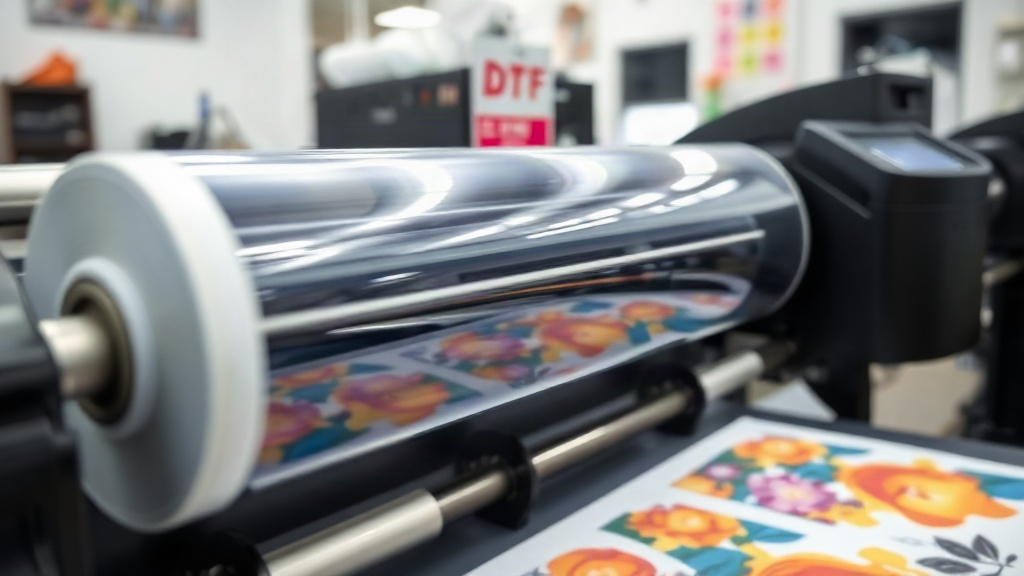
When you first dive into DTF printing, it's easy to get caught up in printer settings, ink types, and powder application. But the film you choose is just as critical. It's the foundation that holds your design, transfers it to the fabric, and ultimately determines how your final print looks and lasts. With so many options on the market, how do you know which film is right for your business? This guide breaks down the key characteristics of DTF film, compares popular types, and gives you practical tips to make an informed choice.
What Makes DTF Film Different?
DTF film isn't your average transfer paper. It's a specialized PET (polyethylene terephthalate) sheet coated with a release layer that holds the printed ink and adhesive powder. When heated, the ink and powder melt together, forming a flexible, durable transfer that bonds to fabric. Unlike vinyl or sublimation, DTF film works on almost any fabric, including cotton, polyester, blends, and even nylon. But not all films are created equal. The thickness, coating, and release properties vary, affecting how well the ink adheres, how easy it is to peel, and how the final print feels.
Key Characteristics of DTF Film
Before comparing types, let's look at the factors that define a film's performance.
Thickness
DTF films typically range from 75 to 100 microns. Thinner films (75-80 microns) are more flexible and conform better to fabrics, making them ideal for stretchy materials and detailed designs. Thicker films (90-100 microns) are more rigid but easier to handle and less prone to curling during printing. For beginners, a mid-range 80-85 micron film offers a good balance.
Coating and Release Layer
The coating determines how well the ink and powder stick. A high-quality film has a consistent, even coating that prevents ink from soaking in too deeply. The release layer is what allows the transfer to peel cleanly from the film after pressing. Some films are designed for hot peel, others for cold peel. Hot peel films are faster but require precise timing; cold peel films are more forgiving but slow down production.
Ink Absorption
Good film should absorb ink without bleeding. If the coating is too thin, ink may spread, causing blurry edges. If it's too thick, the ink may not cure properly, leading to cracking. Look for films that are compatible with your printer's ink type (typically pigment-based).
Types of DTF Film
Now, let's break down the most common types you'll encounter.
Standard DTF Film
This is your everyday film, usually 75-85 microns thick. It works well for most applications: t-shirts, hoodies, bags, and more. It's available in hot peel and cold peel versions. Standard film is a great starting point for beginners because it's forgiving and widely compatible.
Premium DTF Film
Premium films often have a thicker coating and are slightly thicker overall (90-100 microns). They produce sharper details, richer colors, and better durability. They're ideal for high-end apparel, intricate designs, and fabrics that will undergo frequent washing. The trade-off is a higher cost per sheet.
Ultra-Thin DTF Film
At around 75 microns, ultra-thin films are designed for stretchy fabrics like spandex and Lycra. They conform to the fabric's movement without cracking. However, they can be tricky to handle because they curl easily. They're best for experienced users with a steady hand.
Double-Sided DTF Film
This newer option has a coating on both sides, allowing you to print on either side. It's convenient for reducing waste and simplifying inventory. However, it's more expensive and may not be necessary for most shops.
How to Choose the Right DTF Film
Your choice depends on your specific needs. Here's a quick guide:
- For beginners: Start with a standard 80-micron film, hot peel. It's easy to work with and forgiving.
- For detailed designs: Go for premium film with a thicker coating to capture fine lines and gradients.
- For stretchy fabrics: Choose ultra-thin film to prevent cracking when the fabric stretches.
- For high-volume production: Consider double-sided film to save time and reduce waste, but only if your budget allows.
- For cost-sensitive projects: Standard film offers the best value, especially if you're printing simple designs.
Also, consider your printer. Some films are optimized for specific printer brands or ink types. Always test a sample before committing to a large roll.
Pro Tips for Working with DTF Film
Even the best film can fail if you don't handle it correctly. Here are some tips from experienced DTF printers:
- Store film properly: Keep it in a cool, dry place away from direct sunlight. Humidity can affect the coating.
- Handle with care: Oils from your fingers can transfer to the film and cause ink adhesion issues. Wear gloves or handle by the edges.
- Adjust your printer settings: Different films require different ink limits and curing times. Always run a test print.
- Mind the peel temperature: Hot peel films need to be peeled immediately after pressing, while cold peel films must cool completely. Follow the manufacturer's instructions.
- Experiment with powder: The amount of adhesive powder you use can affect the feel and durability. Use just enough to cover the ink without excess.
Common Mistakes to Avoid
Newcomers often run into these pitfalls:
- Using the wrong side: Printing on the wrong side of the film will ruin the transfer. Always check which side is coated.
- Not pre-pressing the garment: Moisture in the fabric can cause the transfer to fail. Always pre-press for a few seconds to remove moisture.
- Over-pressing: Too much heat or pressure can cause the film to melt or the ink to spread. Stick to the recommended settings.
- Reusing film: DTF film is single-use. Trying to reuse it will result in poor quality.
Frequently Asked Questions
What is the difference between hot peel and cold peel DTF film?
Hot peel film allows you to remove the transfer immediately after pressing while it's still hot. Cold peel film requires you to wait until the transfer cools completely before peeling. Hot peel is faster but less forgiving; cold peel is slower but easier to handle, especially for intricate designs.
Can I use any DTF film with my printer?
Most DTF printers are compatible with standard films, but some films are optimized for specific ink types or printer brands. Always check the film's specifications and do a test print to ensure compatibility.
How do I prevent my DTF film from curling?
Curling often happens with thin films or in humid conditions. Store film flat and in a dry environment. If it curls, you can gently flatten it with a roller or place it under a heavy book for a few hours. Also, adjust your printer's platen temperature if possible.
What is the shelf life of DTF film?
Unopened DTF film typically lasts 6-12 months if stored properly. Once opened, use it within a few months to avoid degradation of the coating. Always keep it sealed in its original packaging when not in use.
Is DTF film eco-friendly?
Traditional DTF film is made of PET, which is recyclable, but the coating and ink may not be biodegradable. Some manufacturers offer eco-friendly options with water-based inks and biodegradable coatings, but they are less common and may cost more.