
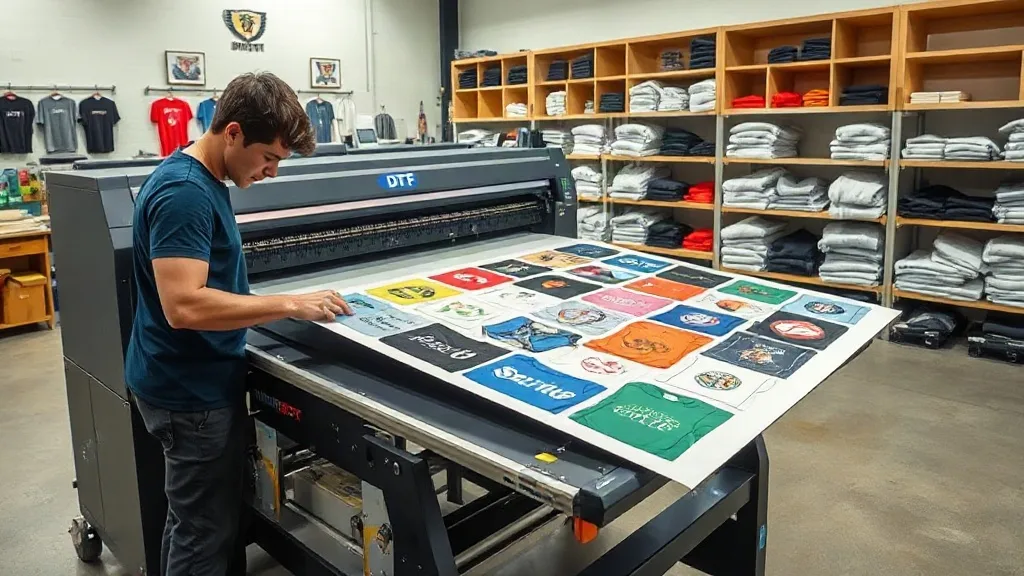
Imagine you run a small print shop, and a customer walks in with a rush order: 50 t-shirts, each with a different design, needed by Friday. Traditionally, you'd spend hours cutting and weeding vinyl, or mixing screens for screen printing. But there's a faster, more efficient way: DTF Gangsheet. This innovative printing method lets you arrange multiple designs on a single sheet, print them all at once, and transfer them to garments with ease. In this article, we'll explore what DTF gangsheets are, how they work, and why they might be the game-changer your business needs.
What Is a DTF Gangsheet?
A DTF (Direct-to-Film) gangsheet is a large sheet of transfer film that contains multiple printed designs. Instead of printing each design individually, you arrange them on a single sheet using specialized software, then print them in one pass using a DTF printer. The sheet is then powdered with adhesive, cured, and can be stored for later use. When you're ready to apply a design, you simply cut it out and heat press it onto a garment.
The term "gangsheet" comes from the idea of "ganging" multiple jobs together on one sheet, similar to gang printing in offset lithography. This approach maximizes efficiency and minimizes waste, making it a cost-effective solution for short-run and custom apparel printing.
How Does DTF Printing Work?
Before diving into gangsheets, let's briefly cover the DTF printing process. DTF printing involves printing your design onto a special film using water-based pigments. The printer lays down a layer of white ink first, followed by color inks. While the ink is still wet, a layer of hot-melt adhesive powder is applied. The film is then cured in an oven or heat press to melt the powder, creating a durable, flexible transfer. Once cooled, the film can be stored or immediately used.
When you're ready to apply, you place the transfer on the garment, cover it with a protective sheet, and press it with a heat press. The adhesive bonds to the fabric, and after peeling the film, your design is left behind, vibrant and wash-resistant.
Why Use a Gangsheet?
Gangsheets offer several advantages over printing designs individually. Here are the key benefits:
- Time efficiency: Printing multiple designs in one pass saves significant time, especially for orders with many small designs.
- Cost savings: By maximizing the use of film and ink, you reduce waste and lower your per-design cost.
- Organization: Keep all designs for a single order on one sheet, making it easy to track and apply.
- Flexibility: Mix and match designs of different sizes and colors on the same sheet, perfect for custom orders.
- Storage: Printed gangsheets can be stored and used as needed, reducing turnaround time for repeat orders.
How to Create a DTF Gangsheet
Creating a gangsheet requires some planning and the right tools. Here's a step-by-step guide:
- Design preparation: Ensure all designs are in a compatible format (usually PNG with transparent background) and at the correct resolution (300 DPI recommended).
- Layout: Use gangsheet builder software or a design program like Photoshop to arrange your designs on a canvas that matches your film size. Leave enough space between designs for cutting.
- Printing: Load the film into your DTF printer and send the job. Make sure your printer is calibrated for DTF printing.
- Powdering and curing: Apply adhesive powder evenly, shake off excess, and cure according to your powder's instructions.
- Storage or application: Cut out designs as needed and store the rest in a cool, dry place.
Choosing the Right Film and Supplies
Not all DTF films are created equal. The quality of your film and powder can significantly affect the final result. Look for films that offer good ink absorption, easy peeling, and durability. Also, consider the mesh size of your adhesive powder; finer powders work better for detailed designs. It's worth testing different brands to find what works best with your printer and workflow.
Common Challenges and Solutions
While DTF printing is relatively straightforward, beginners often face a few hurdles. Here are some common issues and how to overcome them:
- Ink smudging: Ensure the film is completely dry before powdering. Adjust your printer's ink density if needed.
- Poor adhesion: Make sure the powder is evenly applied and cured at the correct temperature. Also, check that the fabric is compatible (100% cotton and blends work well).
- Color fading: Use high-quality inks and store prints away from direct sunlight. Proper curing also helps lock in colors.
- Film curling: Store film flat and avoid humidity. Some films have a tendency to curl; using a weighted roller can help.
Applications of DTF Gangsheets
DTF gangsheets are incredibly versatile. They're ideal for:
- Custom apparel: T-shirts, hoodies, caps, and more.
- Small batch orders: Perfect for limited runs without the setup costs of screen printing.
- Sampling and prototyping: Quickly produce samples for client approval.
- Merchandise: Bags, hats, and promotional items.
Maximizing Efficiency with Gangsheets
To get the most out of your gangsheets, consider these tips:
- Nest designs closely: Use software that automatically nests designs to minimize film usage.
- Standardize sizes: Create templates for common design sizes to speed up layout.
- Batch similar orders: Group orders with similar colors or deadlines to print together.
- Keep a library: Save gangsheet layouts for repeat orders to save time.
Frequently Asked Questions
What is the difference between DTF and DTG printing?
DTF (Direct-to-Film) involves printing on a film and transferring to fabric, while DTG (Direct-to-Garment) prints directly onto the garment. DTF works on more fabric types, including blends, and often has lower setup costs for small batches.
Can I use a gangsheet for different fabric colors?
Yes, DTF transfers can be applied to both light and dark fabrics. The white ink layer in DTF printing ensures vibrant colors on any background.
How long can I store a printed gangsheet?
When stored properly in a cool, dry place away from direct sunlight, DTF transfers can last up to 6 months or more. Always check for dust and handle with care.
Do I need a special printer for DTF?
Yes, you need a DTF printer that uses DTF inks and film. However, some converted inkjet printers can be used with DTF inks, but for best results, invest in a dedicated DTF printer.
Is DTF printing cost-effective for small businesses?
Absolutely. With no minimums and low waste, DTF gangsheets are ideal for small businesses and startups. You can print on demand and scale as needed.
Whether you're a seasoned pro or just starting out, DTF gangsheets offer a flexible, efficient way to produce high-quality custom apparel. Give them a try and see how they can transform your workflow.