
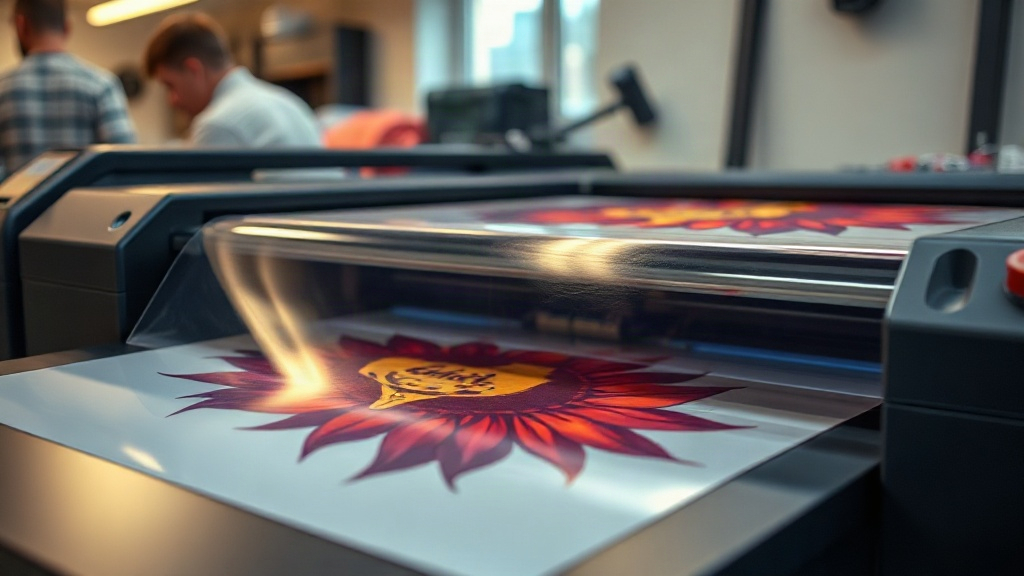
If you've been exploring custom apparel printing, you've likely encountered the term DTF. Short for Direct-to-Film, this technology has rapidly gained popularity among print shops and DIY enthusiasts alike. But what exactly makes DTF printing so appealing? In this guide, we'll dive deep into the world of DTF, covering its process, benefits, and how it stacks up against other printing methods. Whether you're a business owner looking to expand your services or a hobbyist curious about the latest trends, this article will equip you with the knowledge to decide if DTF is right for you.
What is DTF Printing?
DTF printing, or Direct-to-Film, is a digital printing technique where your design is printed onto a special film, coated with adhesive powder, and then heat-pressed onto fabric. Unlike DTG (Direct-to-Garment) printing, which prints directly onto the garment, DTF uses a transfer film as an intermediary. This allows for printing on a wide range of fabrics, including cotton, polyester, blends, and even nylon, without the need for pre-treatment. The result is a vibrant, durable print that can stretch with the fabric without cracking.
How Does DTF Printing Work?
The DTF process involves several key steps, each crucial for achieving a high-quality transfer. Let's break it down:
Step 1: Design Preparation
First, you'll need a digital design. This can be created in graphic software like Adobe Photoshop or Illustrator. The design should be in CMYK color mode, and if it has transparent areas, those will remain unprinted. It's essential to mirror the image horizontally before printing, as the transfer will be flipped when applied.
Step 2: Printing onto Film
Using a specialized DTF printer equipped with pigment inks, the design is printed onto a PET film. The printer lays down a layer of white ink first (if necessary) followed by the colored inks. This white layer acts as a base, ensuring the colors pop on dark fabrics. The film is then dusted with a hot-melt adhesive powder, which is cured using a heat gun or oven. This powder becomes the glue that bonds the print to the fabric.
Step 3: Transferring to Fabric
Once the film is prepared, it's placed onto the garment with the printed side facing up. A heat press is used at around 300°F (150°C) for 10-15 seconds. After pressing, the film is peeled off (hot or cold peel, depending on the film type), leaving the vibrant design adhered to the fabric. The result is a soft, flexible print that feels like part of the garment.
Benefits of DTF Printing
DTF printing offers numerous advantages that make it a preferred choice for many:
- Versatility: Works on almost any fabric, including cotton, polyester, blends, and even leather.
- No Pre-treatment: Unlike DTG, DTF doesn't require pre-treating the garment, saving time and money.
- Durability: Prints are stretchable and resistant to cracking, peeling, and fading.
- Cost-effective for Small Runs: No minimum order quantity, making it ideal for small businesses and custom orders.
- Vibrant Colors: The white ink base allows for bright, opaque colors on dark garments.
DTF vs. Other Printing Methods
How does DTF compare to DTG, screen printing, and vinyl? Let's find out.
DTF vs. DTG
DTG prints directly onto the garment, which limits it mostly to cotton fabrics. It requires pre-treatment for dark shirts, and the print may fade over time. DTF, on the other hand, can be used on any fabric, doesn't need pre-treatment, and offers better durability. However, DTG can produce a softer feel on light garments since there's no transfer film involved.
DTF vs. Screen Printing
Screen printing is cost-effective for large orders but requires setup time and costs for each color. It's not practical for small batches or complex designs with many colors. DTF excels in small to medium runs, handles full-color designs effortlessly, and requires no screens or setup. The trade-off is that screen printing can be more durable for high-wear items, but DTF is catching up.
DTF vs. Heat Transfer Vinyl (HTV)
HTV involves cutting designs from colored vinyl and heat-pressing them. It's great for simple, single-color designs but struggles with gradients and fine details. DTF can print photographic images with ease, offering more design freedom. HTV may be more accessible for beginners, but DTF provides professional-grade results.
Getting Started with DTF Printing
If you're ready to dive into DTF, here's what you'll need:
- DTF Printer: Options range from converted Epson printers to dedicated DTF machines. Expect to invest $1,500 to $10,000.
- DTF Inks: Pigment-based inks designed for DTF printing.
- PET Film: Special film that holds the printed design.
- Adhesive Powder: Hot-melt powder that bonds the print to fabric.
- Heat Press: A quality heat press is essential for consistent results.
- RIP Software: To manage color profiles and print settings.
Start with a small setup to learn the ropes. There are many online communities and tutorials that can help you troubleshoot and improve your technique.
Common Challenges and Solutions
Like any printing method, DTF has its quirks. Here are some common issues and how to fix them:
- Faded Colors: Ensure your printer is using the correct color profile and that the ink is fresh. Sometimes, increasing the ink density can help.
- Poor Adhesion: This often happens if the powder isn't cured properly or if the heat press temperature is too low. Check your settings.
- Cracking: Over-stretching the garment after printing can cause cracks. Also, using too much powder can make the print stiff and prone to cracking.
- Film Jams: Make sure the film is loaded correctly and that the printer's rollers are clean.
Frequently Asked Questions
What fabrics can I use with DTF printing?
DTF works on a wide range of fabrics, including cotton, polyester, blends, nylon, and even leather. It's one of the most versatile printing methods available.
Do I need to pre-treat garments for DTF?
No, DTF does not require pre-treatment. This is a significant advantage over DTG printing, saving you time and supplies.
How long does a DTF print last?
With proper application and care, a DTF print can last as long as the garment itself. It's resistant to cracking, peeling, and fading when washed inside out in cold water and air-dried.
Can I use DTF on dark shirts?
Absolutely. DTF printing uses a white ink base, which allows vibrant colors to show up beautifully on dark fabrics.
Is DTF printing cost-effective for small businesses?
Yes, DTF is ideal for small businesses because it has no minimum order quantity and the cost per print is reasonable, especially for full-color designs.
With its versatility, durability, and ease of use, DTF printing is a game-changer in the custom apparel industry. Whether you're just starting out or looking to expand your services, adding DTF to your repertoire can open up new opportunities. So why not give it a try?