
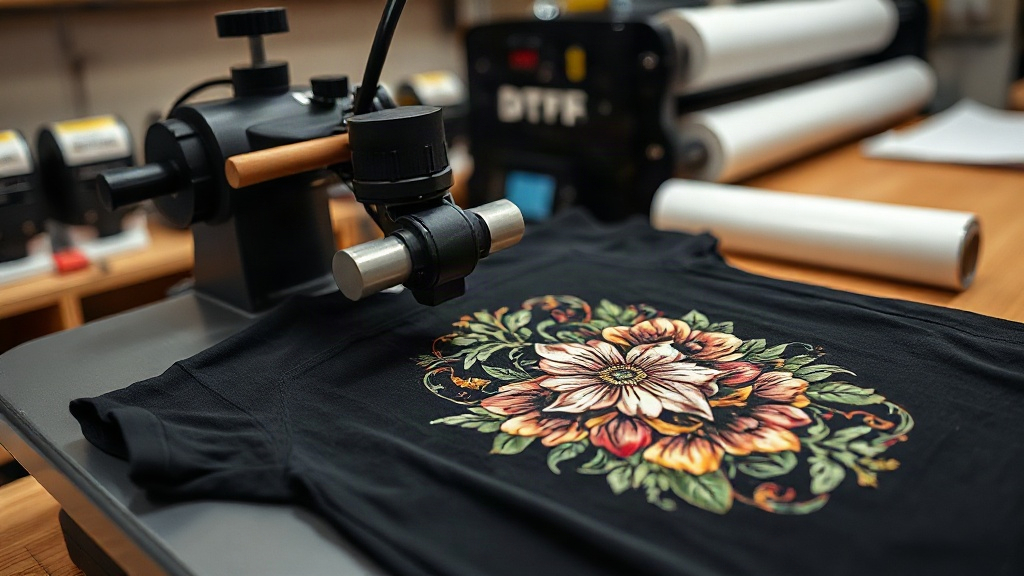
Imagine pressing a button and watching vibrant, full-color designs come to life on a t-shirt, tote bag, or even a pair of sneakers. That's the magic of DTF Transfers, a printing technology that's rapidly becoming the go-to method for custom apparel enthusiasts and professionals alike. Unlike traditional methods that limit you to one or two colors, DTF transfers allow for unlimited colors, intricate details, and a soft feel that customers love. Whether you're a small business owner looking to expand your product line or a DIY crafter wanting to experiment, understanding DTF transfers can open up a world of creative possibilities.
What Are DTF Transfers?
DTF stands for Direct-to-Film. It's a printing process where your design is printed onto a special film, coated with a powder adhesive, and then heat-pressed onto the fabric. The result is a durable, stretchable print that bonds seamlessly with the material. Unlike DTG (Direct-to-Garment) printing, which requires pre-treatment and works best on 100% cotton, DTF transfers adhere to a wide range of fabrics, including polyester, blends, and even nylon. This versatility makes DTF a game-changer for anyone working with diverse materials.
How DTF Transfers Work: Step by Step
Understanding the DTF process helps you appreciate its simplicity and effectiveness. Here's a breakdown of the key steps:
- Design Preparation: Your artwork is prepared in a graphics program, ensuring it's mirrored and sized appropriately. The printer uses CMYK plus white ink to create vibrant colors.
- Printing: A DTF printer prints the design onto a PET film. The white ink layer is crucial as it acts as a base, making colors pop on dark fabrics.
- Powdering: While the ink is still wet, a hot-melt adhesive powder is applied evenly over the print. Excess powder is shaken off.
- Curing: The film passes through a heat source (like a heat press or oven) to melt the powder, creating a dry, ready-to-use transfer.
- Heat Pressing: The transfer is placed on the garment and pressed with a heat press at specific temperature, pressure, and time. After cooling, the film is peeled away, leaving the design bonded to the fabric.
Each step is critical for achieving a professional finish. For instance, improper curing can lead to washing off, while incorrect pressing can cause the design to crack.
Why Choose DTF Transfers Over Other Methods?
DTF transfers offer several advantages that make them stand out:
- Unlimited Colors: No color limitations means you can print photorealistic images and gradients with ease.
- Fabric Versatility: Works on cotton, polyester, blends, leather, and more. No need for multiple printing techniques.
- Durability: When applied correctly, DTF prints withstand repeated washing without fading or cracking.
- Soft Hand Feel: The prints are thin and flexible, not plasticky like some other methods.
- Cost-Effective for Short Runs: No minimum order quantities, making it ideal for small businesses and personalized items.
- No Weeding or Cutting: Unlike vinyl, there's no tedious weeding process. Just print, powder, cure, and press.
DTF Transfers vs. Other Printing Methods
To help you decide if DTF is right for you, let's compare it to common alternatives:
DTF vs. DTG
DTG printing is excellent for 100% cotton and offers a soft feel, but it requires pre-treatment and can be finicky on blends. DTF, on the other hand, adheres to almost any fabric and doesn't need pre-treatment, though the hand feel might be slightly thicker.
DTF vs. Screen Printing
Screen printing is cost-effective for large orders but expensive for small runs due to setup costs. It also limits colors. DTF shines for short runs and complex designs, with no setup fees.
DTF vs. Vinyl
Heat transfer vinyl (HTV) is great for simple designs but requires weeding and layering for multiple colors. DTF handles intricate, multi-color designs in one go, saving time and labor.
Getting Started with DTF Transfers
If you're ready to dive into DTF, here's what you'll need:
- DTF Printer: Options range from entry-level to industrial. Brands like Epson and Roland are popular, but there are also dedicated DTF printers from companies like Vivid.
- DTF Film: Special PET film designed for DTF printing. It comes in sheets or rolls.
- Adhesive Powder: TPU-based powder that melts and bonds the ink to the fabric.
- Heat Press: A reliable heat press with consistent temperature and pressure.
- Design Software: Any graphics software like Photoshop, Illustrator, or free alternatives like Inkscape.
You can also buy pre-made DTF transfers from suppliers if you don't want to invest in equipment. This is a great way to test the waters.
Tips for Perfect DTF Transfers
To ensure your DTF transfers look professional and last long, follow these tips:
- Pre-press the garment: Remove moisture and wrinkles before applying the transfer.
- Use the right settings: Each heat press and film may vary. Start with 320°F for 15 seconds, medium pressure, and adjust as needed.
- Cool peel: Always let the transfer cool completely before peeling the film. This prevents ink from stretching.
- Post-press for durability: After peeling, press again for a few seconds with a cover sheet to enhance washability.
- Storage: Store unused transfers in a cool, dry place away from direct sunlight.
Common Applications of DTF Transfers
DTF transfers are used for a wide range of items, including:
- T-shirts, hoodies, and polo shirts
- Tote bags and backpacks
- Hats and caps
- Denim jackets and jeans
- Sportswear and uniforms
- Personalized gifts
The possibilities are endless, limited only by your imagination.
Frequently Asked Questions About DTF Transfers
How long do DTF transfers last?
With proper application and care, DTF transfers can last as long as the garment itself. They withstand 50+ washes without significant fading or cracking when instructions are followed.
Can I use DTF transfers on dark colors?
Absolutely! DTF transfers include a white ink base, which makes colors vibrant on both light and dark fabrics. This is one of their biggest advantages.
Do I need a special printer for DTF?
Yes, you need a DTF printer that uses pigment ink and has a white ink channel. However, you can also purchase ready-to-press transfers from suppliers if you don't want to invest in a printer.
What fabrics work best with DTF?
DTF works on a wide range of fabrics, including cotton, polyester, blends, leather, and even some synthetics. It's not recommended for fabrics with heavy coatings or waterproof treatments.
Is DTF transfers cost-effective for small businesses?
Yes, DTF is very cost-effective for short runs because there are no minimums or setup fees. The cost per transfer decreases with volume, but even single transfers are affordable.
DTF transfers are more than just a trend; they're a versatile and accessible tool for anyone in the custom apparel industry. Whether you're printing one-offs or scaling up production, DTF offers the quality, durability, and flexibility you need. So why not give it a try? Your next custom creation could be just a press away.