
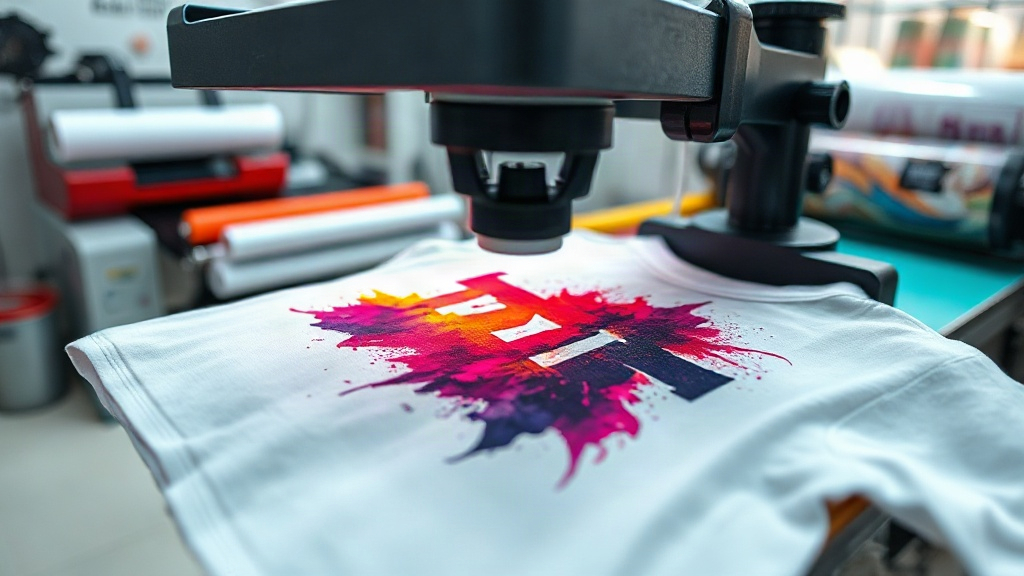
Imagine pressing a custom design onto a cotton tote bag, a polyester jersey, or even a nylon jacket, all with the same vivid colors and soft feel. That's the promise of DTF transfers, a technology that has rapidly become a favorite among crafters, small business owners, and print professionals. Unlike traditional methods that limit you to certain fabrics, DTF (Direct to Film) opens up a world of possibilities. But what exactly makes it tick, and how can you get the best results? This guide dives deep into the process, benefits, and practical tips so you can master DTF transfers from your first press.
What Are DTF Transfers?
DTF transfers are printed designs on a special film that can be heat-pressed onto fabric. The process starts with a digital printer that lays down a layer of white ink, followed by CMYK colors, and finally a powdered hot-melt adhesive. The film is then cured, and when you're ready to apply it, you simply press it onto your garment with a heat press. The adhesive melts, bonding the ink to the fabric, and after peeling the film, you're left with a vibrant, stretchable print.
What sets DTF transfers apart is their versatility. They adhere to a wide range of materials, including cotton, polyester, blends, leather, and even some synthetics. This is a game-changer for anyone who's struggled with vinyl or screen printing on tricky fabrics.
How DTF Transfers Differ from Other Printing Methods
To appreciate DTF transfers, it helps to compare them to other popular techniques.
DTF vs. Screen Printing
Screen printing is cost-effective for large orders of simple designs, but it requires separate screens for each color and doesn't handle gradients or photos well. DTF transfers excel at complex, multi-color designs and require no setup for each color, making them ideal for small batches and detailed artwork.
DTF vs. DTG
Direct-to-garment (DTG) printing works best on 100% cotton and often needs pre-treatment. DTF transfers don't need pre-treatment and can be applied to almost any fabric, including polyester and blends, with excellent durability.
DTF vs. Vinyl
Heat transfer vinyl (HTV) is great for simple shapes and text, but layering multiple colors is time-consuming and can result in a thick, stiff feel. DTF transfers produce a single, soft layer with full-color graphics, saving time and delivering a premium look.
The DTF Transfer Process Step by Step
Understanding the workflow helps you troubleshoot and achieve consistent results.
- Design Preparation: Create your artwork in a graphics program. Remember to mirror the image horizontally before printing, as you'll be pressing it face-down onto the fabric.
- Printing: Load the DTF film into a specialized printer. The printer lays down white ink first (for opacity), then CMYK inks, and finally a layer of adhesive powder is applied while the ink is still wet.
- Curing: The printed film goes through a curing oven or under a heat press to melt the powder, creating a dry, tack-free surface. Proper curing is crucial for wash durability.
- Pressing: Set your heat press to the recommended temperature (usually 300-325°F) and pressure (medium to firm). Place the transfer on the garment and press for 10-15 seconds.
- Peeling: After pressing, wait a few seconds for the transfer to cool slightly, then peel off the film. You can do a hot peel or cold peel depending on the film type; most modern films are hot peel for efficiency.
Each step demands attention to detail, but once you dial in your settings, DTF transfers become a reliable production method.
Why Choose DTF Transfers for Your Projects
The advantages go beyond fabric compatibility.
- Vibrant Colors: DTF prints can reproduce millions of colors, including fine gradients and photographic images, with impressive accuracy.
- Durability: When applied correctly, DTF transfers withstand repeated washing without cracking, peeling, or fading. They stretch with the fabric, making them suitable for activewear.
- No Weeding or Cutting: Unlike vinyl, there's no tedious weeding. You print, cure, and press. This saves hours on complex designs.
- Cost-Effective for Short Runs: With no minimum order and low setup costs, DTF is perfect for one-off custom items or small batches.
- Eco-Friendly Options: Many DTF films and inks are now water-based and biodegradable, reducing environmental impact.
These benefits make DTF transfers a smart choice for entrepreneurs, crafters, and anyone looking to add custom prints to their products.
Common Challenges and How to Overcome Them
Even with a straightforward process, issues can arise. Here are typical problems and solutions.
Poor Adhesion or Peeling
If the transfer peels off after washing, it's likely due to insufficient pressure, incorrect temperature, or under-curing. Ensure your heat press is calibrated and apply firm pressure. Also, make sure the adhesive powder is evenly applied and fully melted during curing.
Color Fading or Dullness
Fading can happen if the transfer is over-pressed (too hot or too long), scorching the inks. Use the manufacturer's recommended settings and always test on a scrap fabric first. Additionally, choose high-quality DTF films and inks designed for longevity.
Stiff or Rubbery Feel
A thick, rubbery feel often results from too much adhesive powder or over-pressing. Use a fine powder and apply it sparingly. Also, ensure you're not using excessive pressure that flattens the ink into the fabric.
Film Sticking to the Press
If the film sticks to the heat press, it might be due to insufficient cooling before peeling. Try a cold peel film or wait a few seconds longer before removing the film. Using a Teflon sheet or parchment paper over the transfer can also prevent sticking.
Expert Tips for Flawless DTF Transfers
Elevate your results with these professional insights.
- Pre-Press Your Garment: This removes moisture and wrinkles, ensuring a smooth surface for the transfer to bond.
- Use a Heat Press, Not an Iron: Irons don't provide consistent pressure or temperature. A heat press is essential for professional results.
- Test Your Settings: Every heat press and film brand varies. Create a test swatch to find the optimal time, temperature, and pressure.
- Store Transfers Properly: Keep unused transfers in a cool, dry place away from direct sunlight to prevent premature curing.
- Wash Inside Out: To extend the life of your printed garments, wash them inside out in cold water and tumble dry low.
By following these tips, your DTF transfers will look professional and last for years.
Frequently Asked Questions About DTF Transfers
Can I apply DTF transfers to any fabric?
Yes, DTF transfers work on a wide range of fabrics, including cotton, polyester, blends, nylon, leather, and more. They are especially useful for fabrics that are difficult to print with other methods.
How long do DTF transfers last?
With proper application and care, DTF transfers can last as long as the garment itself. They are highly durable and resistant to cracking, peeling, and fading through many wash cycles.
Do I need a special printer for DTF transfers?
Yes, you need a DTF printer that uses DTF inks and film. These printers are specifically designed to handle white ink and the adhesive powder application. However, you can also buy pre-printed DTF transfers from suppliers if you don't want to invest in a printer.
What is the best temperature for pressing DTF transfers?
The ideal temperature typically ranges from 300°F to 325°F (150°C to 160°C), but always check the instructions from your film or transfer supplier. Pressure should be medium to firm, and press time is usually 10-15 seconds.
Can I layer DTF transfers?
Yes, you can layer DTF transfers to create multi-dimensional designs. Press the first transfer, then apply the second on top, using a cover sheet to protect the already pressed areas.
With this knowledge, you're ready to dive into the world of DTF transfers and elevate your custom apparel game. Whether you're a hobbyist or a business owner, the versatility and quality of DTF printing can set your creations apart.